
What are the Mambrui sand dunes?
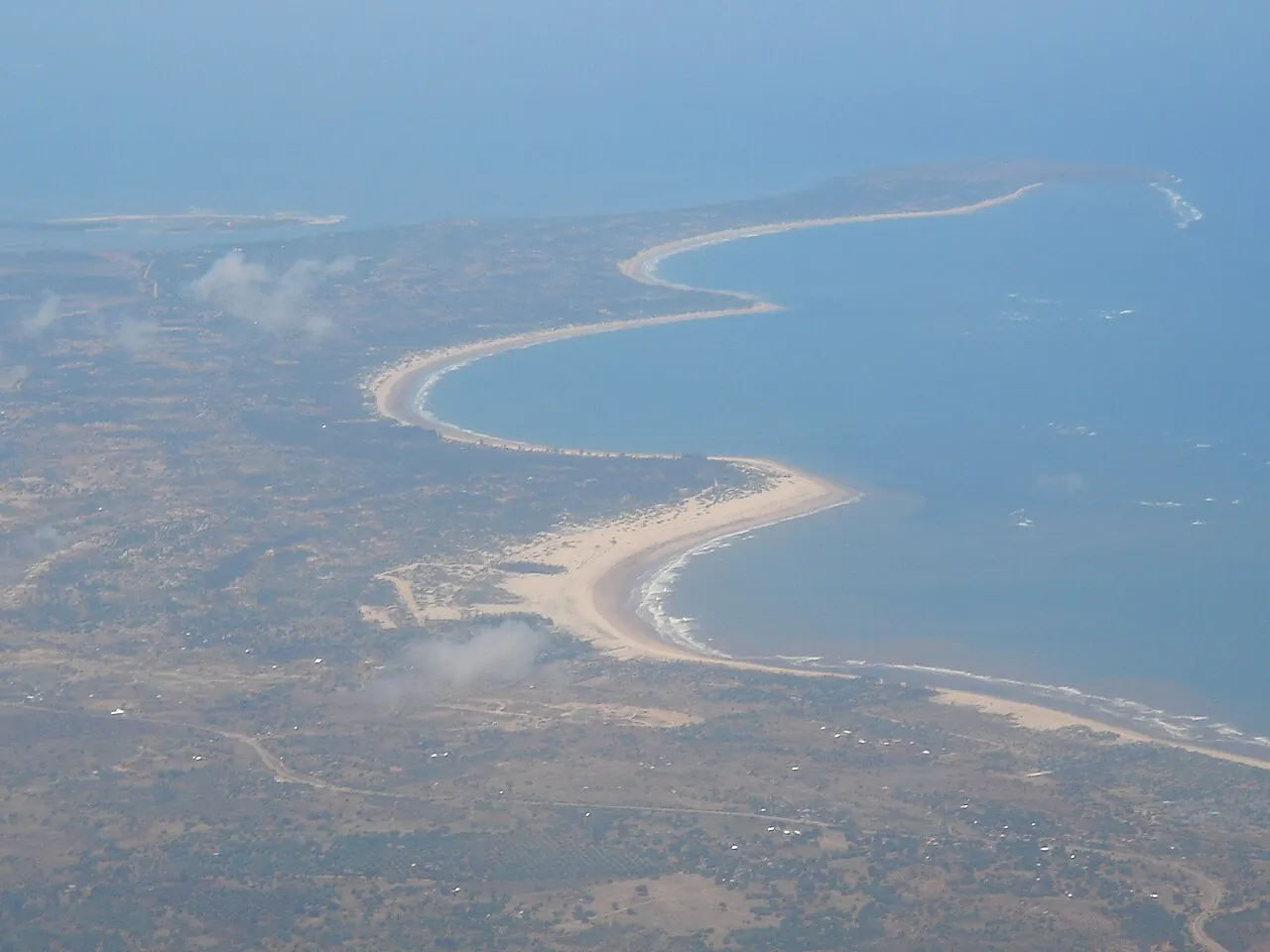
A strip of mobile coastal dunes about 10 km long and up to a kilometre wide, rising as high as 50 m above sea level, on Malindi Bay between Malindi and Mambrui in Kilifi County. Their white, wind-rippled slopes against the sea have earned them the name Kenya’s little Dubai.
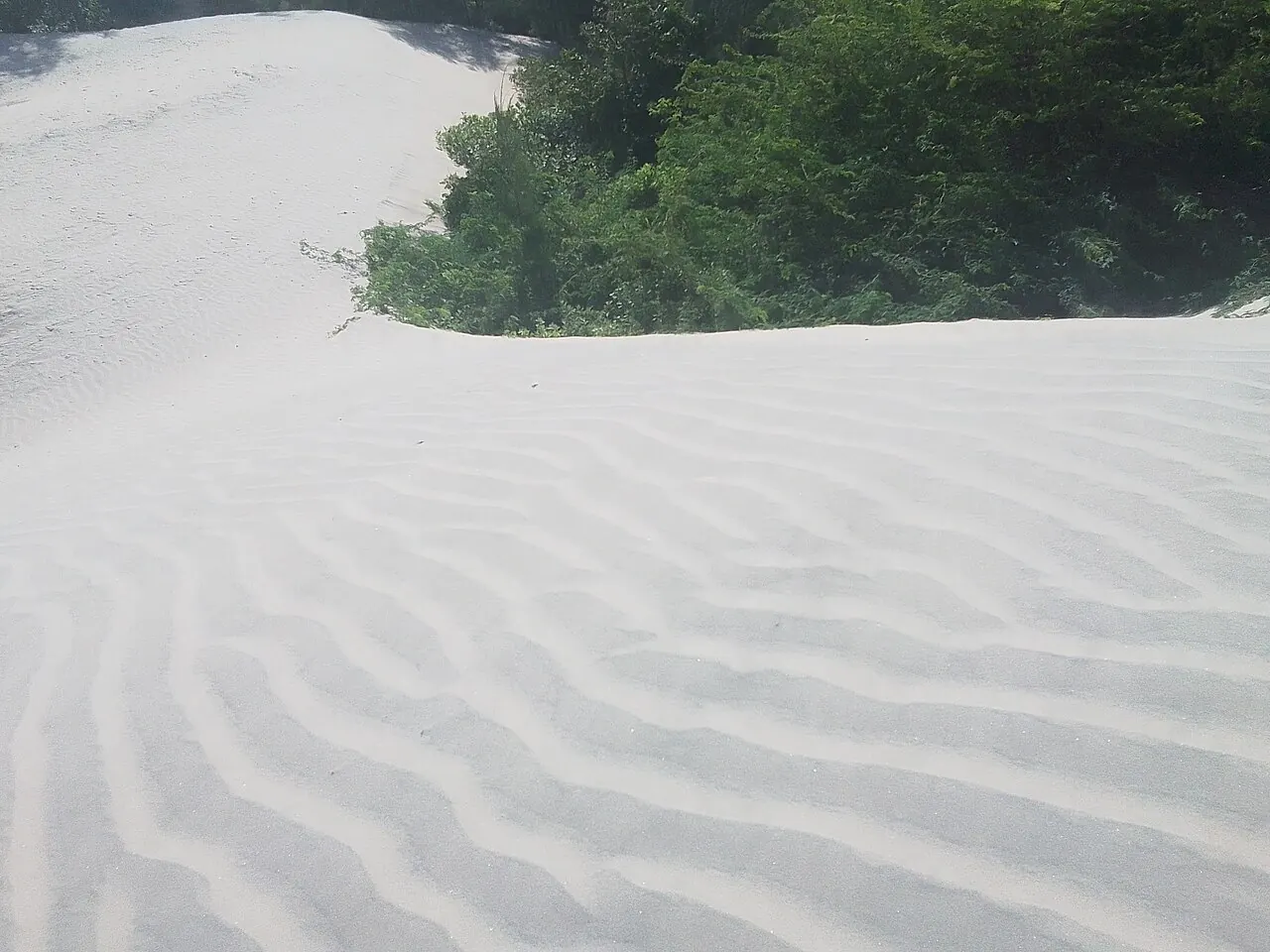
Photo: Mijikendacribe / Wikimedia Commons, CC BY-SA 4.0
Visitors say the dunes look like the desert outside Dubai, dropped beside a tropical beach — kama Dubai ndogo, like a little Dubai. Photographers come at sunrise and sunset, families come to slide down the slopes, and quad-bike riders come for the long ridges.
How did the Mambrui dunes form?
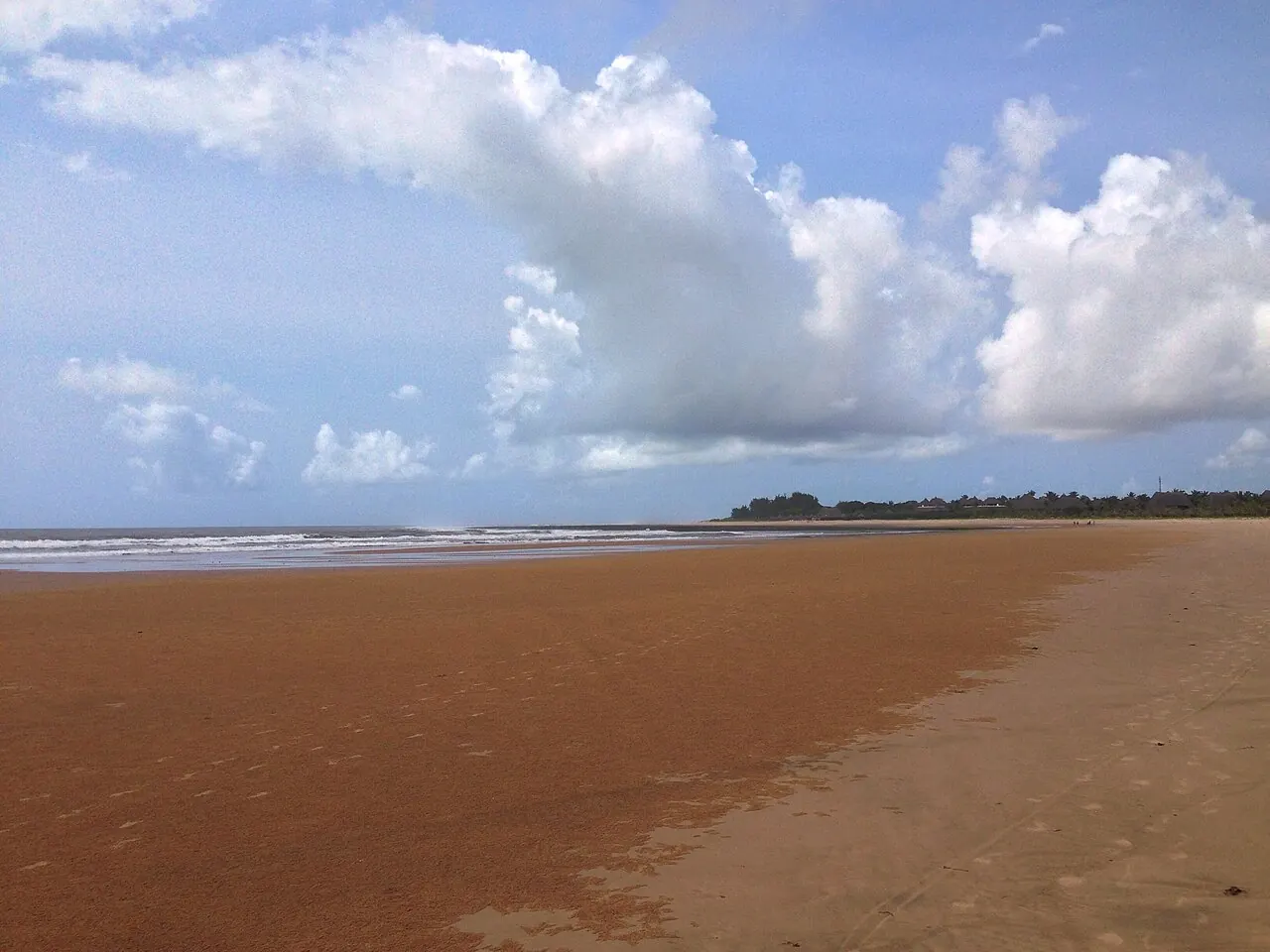
From sand carried down the Sabaki River, Kenya’s second-longest, and blown inland by the monsoon winds after the sea spreads it along Malindi Bay.
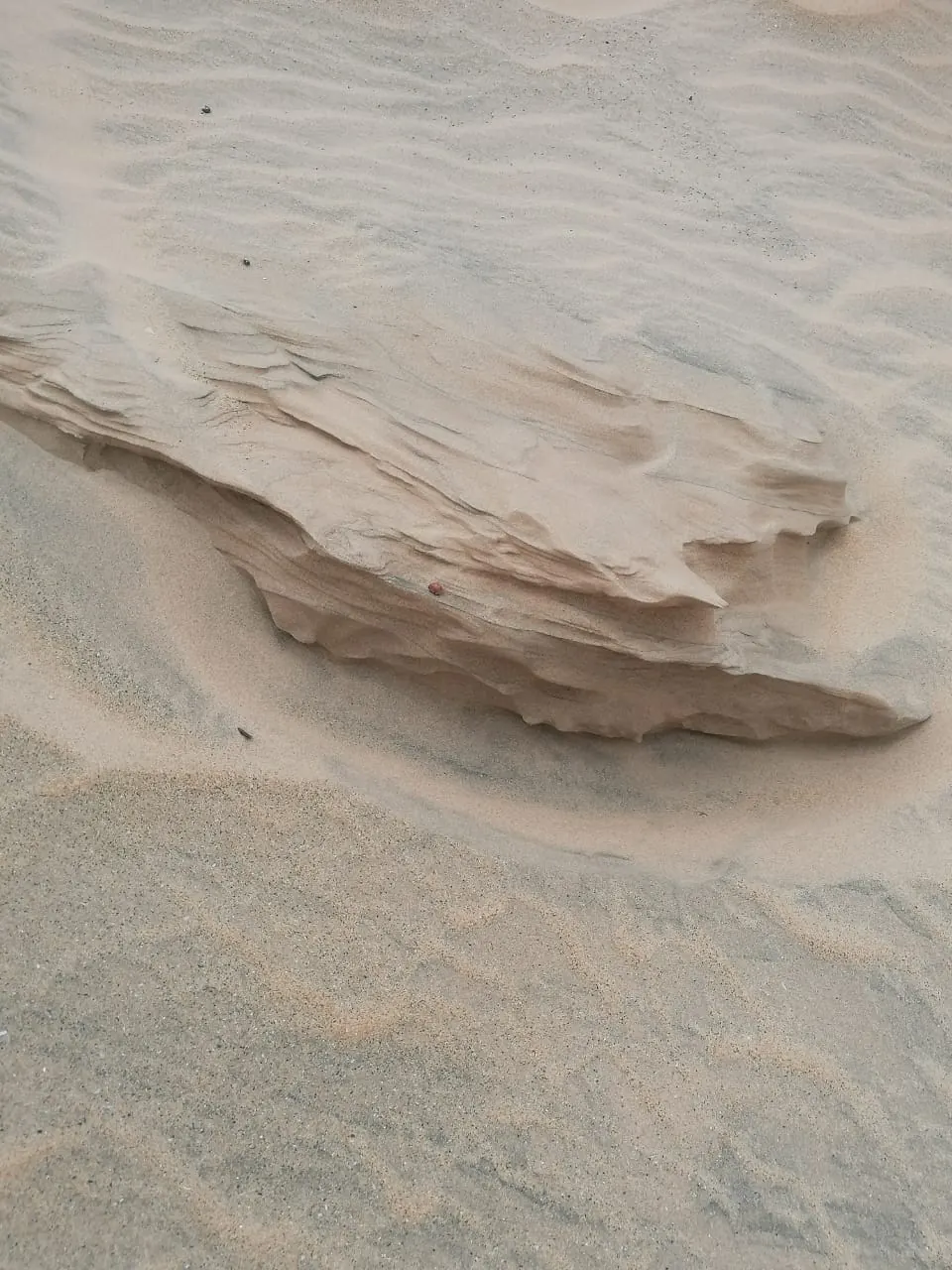
The Athi–Galana–Sabaki river drains about 70,000 km² from the highlands near Nairobi and carries millions of tonnes of sediment to the sea each year. The ocean sorts the sand along the bay; onshore winds push it up the beach and into dunes. Geologists studying the dunes between Malindi and Mambrui found that the shoreline here advanced seaward over the second half of the 20th century, and that the dunes themselves migrate with the wind. Grasses and scrub hold the older dunes in place; the bare white ones keep moving.
The grassy dunes near the river mouth are also home to the Malindi pipit, a scarce, range-restricted bird; see the Sabaki River guide.
How do you visit the Mambrui sand dunes?
Drive north from Malindi on the B8 across the Sabaki bridge towards Mambrui, about 20 minutes, and enter through the community-run access point with a local guide. Entry and guide fees are small and paid on site; confirm them on arrival.
- From MalindiAbout 20 minutes by car, tuk-tuk or matatu
- FeesRecent visitors report about KES 200 entry and about KES 500 for a guide; quad bikes extra, by the hour
- Best timeEarly morning or late afternoon; midday sand is very hot
- BringWater, a hat, sunglasses, sunscreen and shoes you can empty of sand
Stay with your guide on the quads, keep off vegetated dunes so they stay stable, and take your rubbish home.
What can you do at the dunes?
Walk the ridges, ride a quad bike, sand-board or roll down the slopes, photograph the sunset, and finish on the beach or at the river mouth.
Walk the dunes
Climb a ridge for the view over the bay to Malindi, then walk down to the sea. Barefoot is fine in the morning; by midday the sand burns.
Quad bikes
Operators rent quad bikes by the hour with a guide. Ask for a route along the ridges with the ocean in view, and wear sunglasses against blowing sand.
Photographs
Low light brings out the ripples and the contrast with the sea. A wrap or scarf keeps sand off your face and camera.



Can you live next to the dunes?
Yes: Mambrui Beach Bay is a quiet, low-density beach estate at Mambrui, a short drive or walk from the dunes, sold in 3-acre lots at KES 33 million each.
Owners get the dunes, the beach and the river mouth as their neighbourhood, with Malindi 15 km away for everything else. See the 3-acre lots, the amenities complete by January 2027, or enquire and see the dunes on the same visit.
Questions about the Mambrui sand dunes
Where are the Mambrui sand dunes?
On Malindi Bay between Malindi and Mambrui, in Kilifi County, around the Sabaki River mouth: about 20 minutes north of Malindi town.
Why are they called little Dubai?
Because the bare white dunes look like desert dunes, but stand beside a tropical beach.
How high are the dunes?
Up to about 50 m above sea level, in a strip up to about a kilometre wide.
How much does it cost to visit?
Recent visitors report about KES 200 entry and about KES 500 for a guide, with quad bikes extra. Confirm on arrival.
Come and see the estate
Walk the 3-acre lots and the beach, see the roads and services going in, and go through the title documents and the estate plan with us. Want less than 3 acres, or more? Ask.