
What is the Sabaki River?
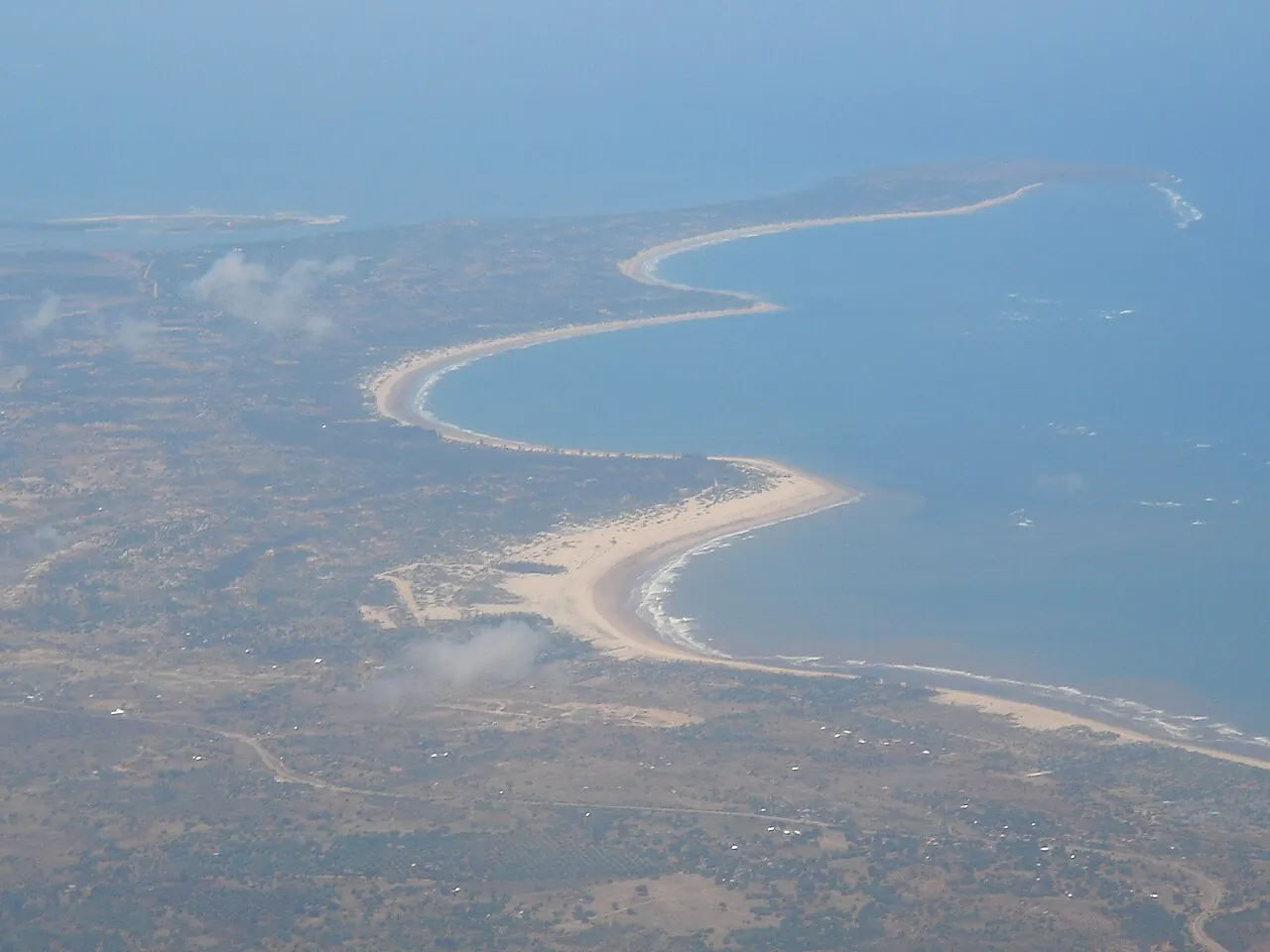
The lower course of the Athi–Galana–Sabaki, Kenya’s second-longest river, which rises near Nairobi and reaches the Indian Ocean about 5 km north of Malindi town, between the Malindi–Mambrui road bridge and the sea.
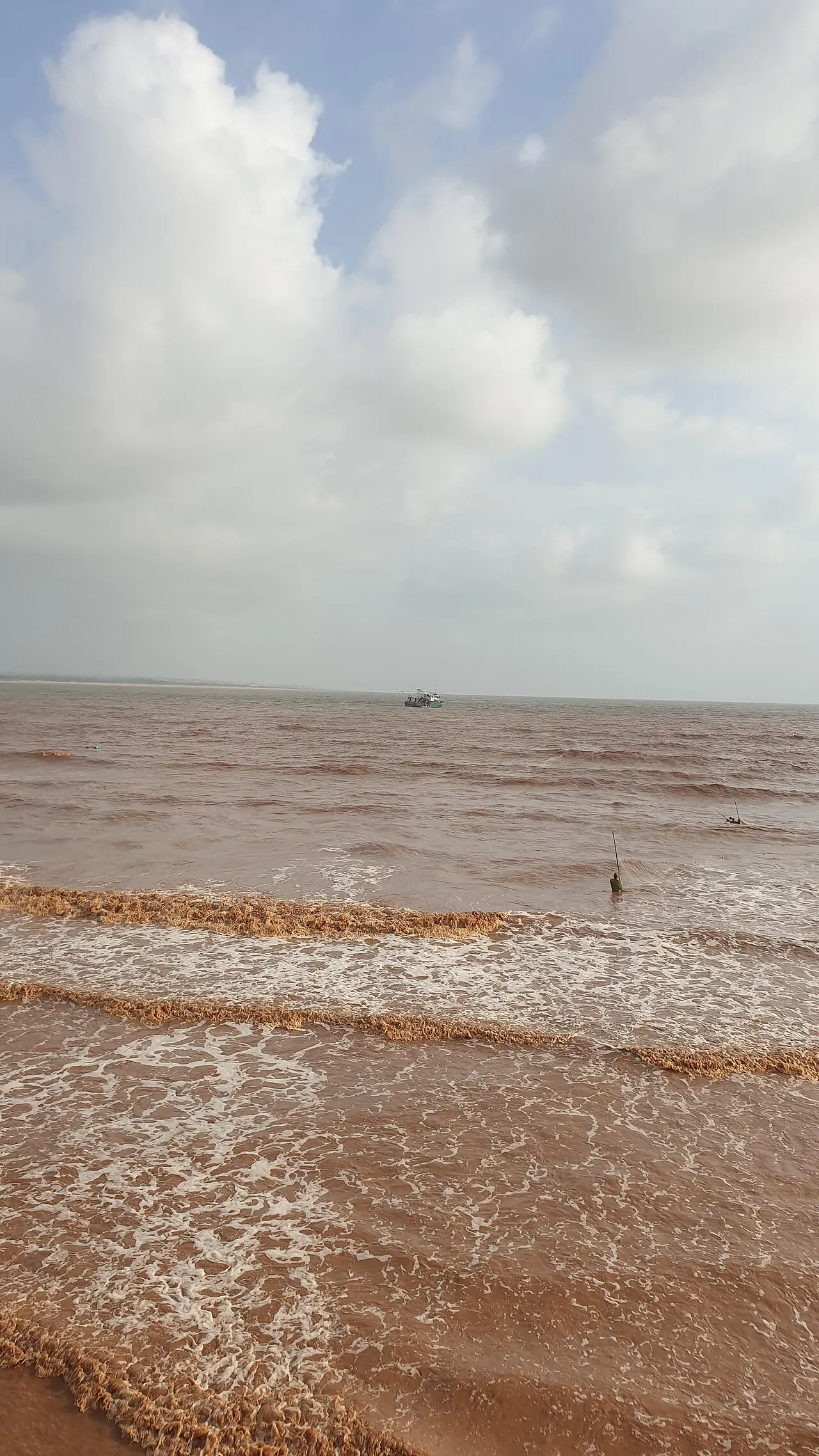
Photo: Tall Black / Wikimedia Commons, CC BY-SA 4.0
The river carries sand and silt from a catchment of about 70,000 km². That sediment builds the sandbanks and mudflats of the estuary, feeds the beaches of Malindi Bay and, blown inland, the Mambrui dunes. The estuary changes shape with the seasons and the river’s flow.
Which birds can you see at the Sabaki River mouth?
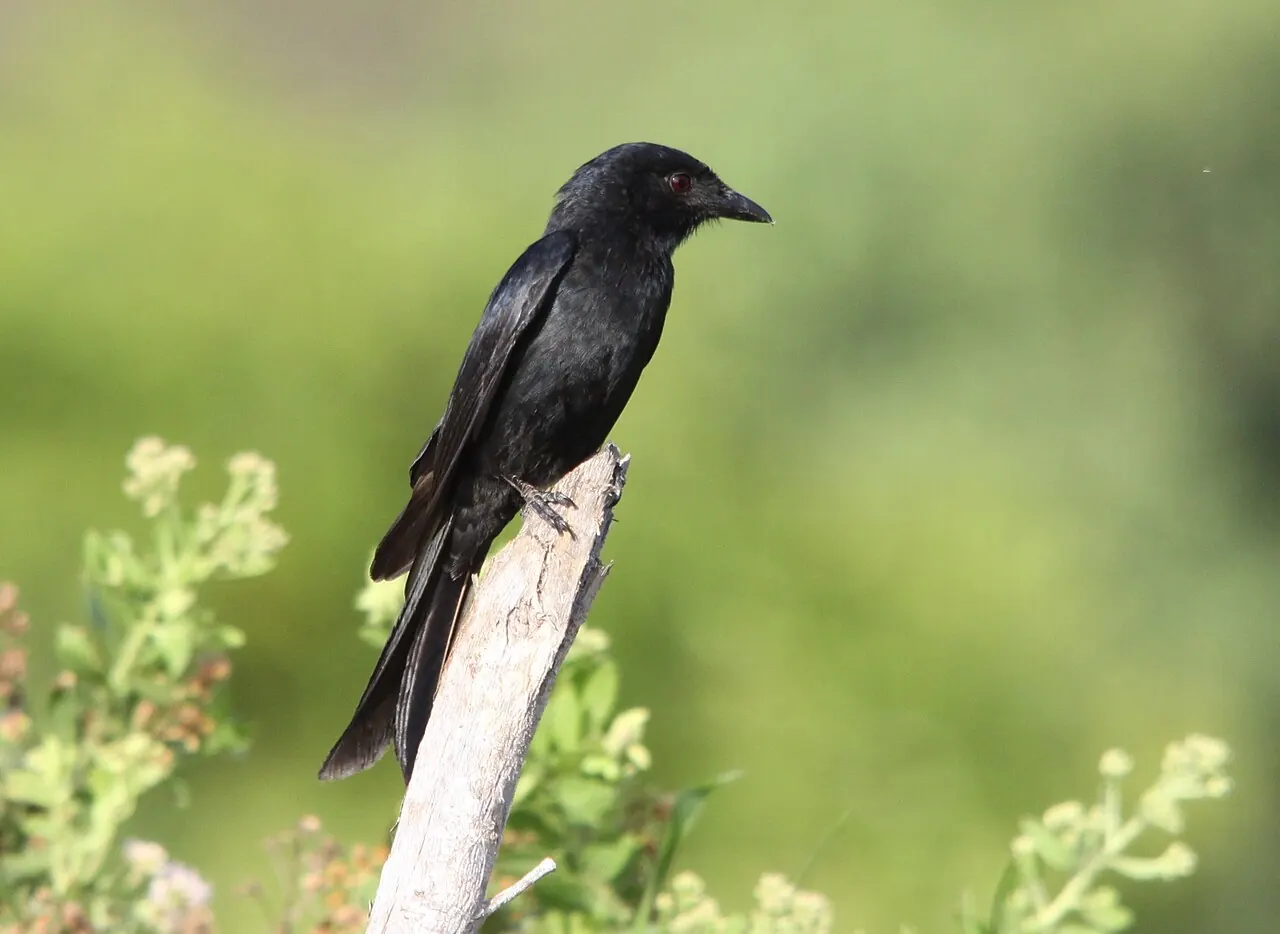
186 species have been recorded, 91 of them water birds: terns, gulls, pelicans, flamingos, herons and Palearctic waders, with Madagascar pratincoles from about May to September and the scarce Malindi pipit in the dune grass.
- Madagascar pratincoleVisiting flocks, regularly up to 2,500 birds
- Malindi pipitNear Threatened and range-restricted, resident in the grassy dunes
- Broad-billed sandpiperA rare bird in Kenya that winters here
- Terns and gullsOver 1% of the regional populations of sooty gull, Saunders’s tern and lesser crested tern
Counts peak around April, when migrants gather before flying north. A telescope helps on the open flats.



Are there hippos in the Sabaki River?
Yes: a small resident population, estimated at 50 to 100 animals in 2021, lives in the lower river, with crocodiles. Keep well back from the water’s edge and never walk between hippos and the river.
The estuary is also a nursery for prawns and fish, and sea turtles nest on the sandy shores on both sides of the mouth. A mangrove forest of more than 100 acres grows on the northern bank, on the Mambrui side.
How do you visit the Sabaki estuary?
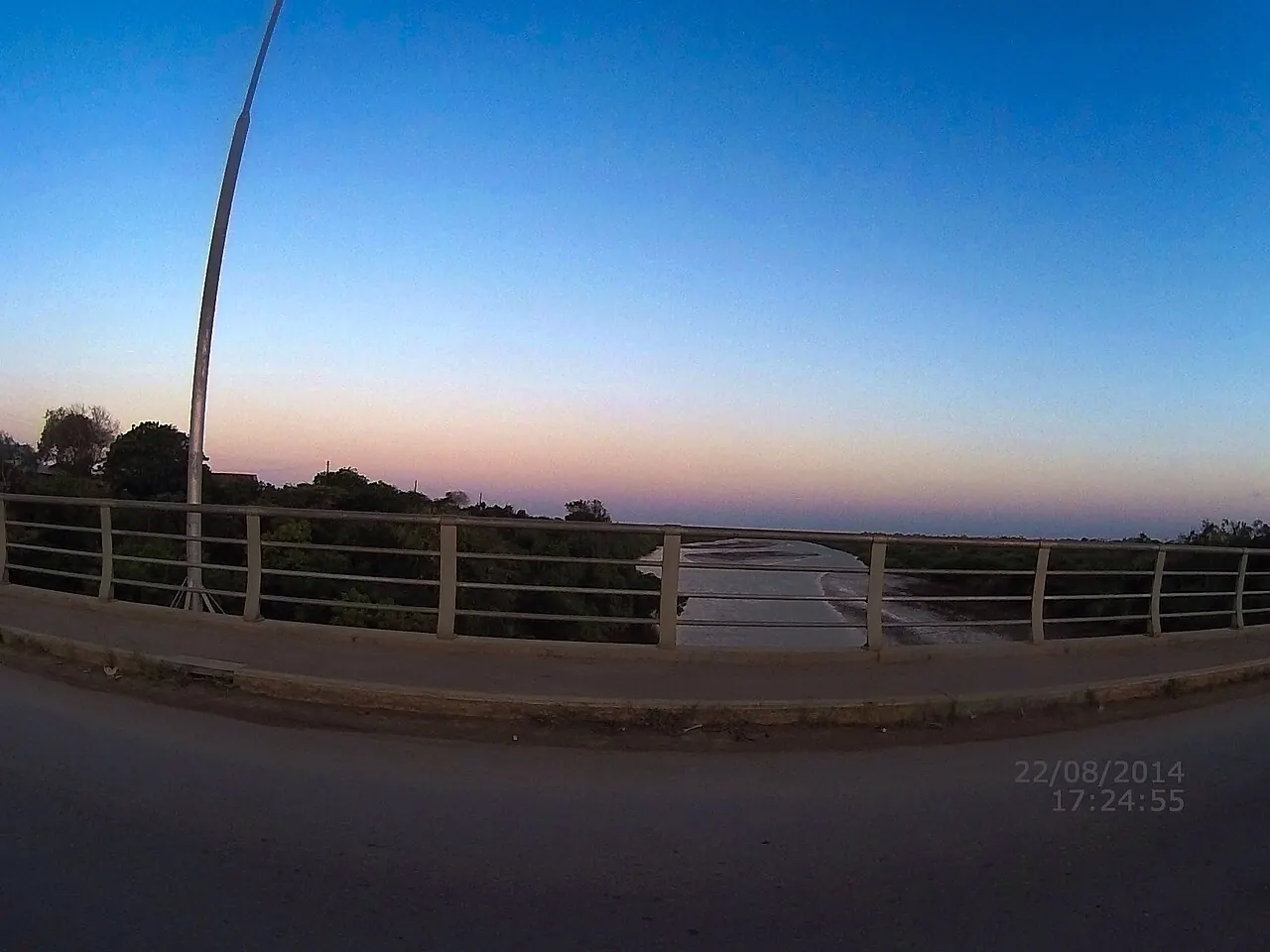
From the Sabaki bridge on the B8, about 9 km north of Malindi, or by walking along the beach towards the mouth from Mambrui or from the Malindi side. There is no visitor centre; go with a local guide.
- Watch from the bridge, or walk down the south bank, carefully: hippos and crocodiles use the river.
- Go at low to mid tide for birds feeding on the flats.
- The estuary is the northern end of the Malindi–Watamu–Arabuko-Sokoke UNESCO biosphere reserve and has a management plan led with local communities and Nature Kenya; respect closed areas.
It is the closest wild place to Mambrui. See more things to do near Malindi.
Questions about the Sabaki River
Is the Sabaki Kenya’s longest river?
No, the Tana is longer. The Athi–Galana–Sabaki is the second-longest.
Where does the Sabaki River meet the sea?
About 5 km north of Malindi town, between Malindi and Mambrui, on Malindi Bay.
When is the best time for birds?
Birding is good all year, with peak numbers around April and Madagascar pratincoles from about May to September.
Come and see the estate
Walk the 3-acre lots and the beach, see the roads and services going in, and go through the title documents and the estate plan with us. Want less than 3 acres, or more? Ask.