
What and where is Mambrui?
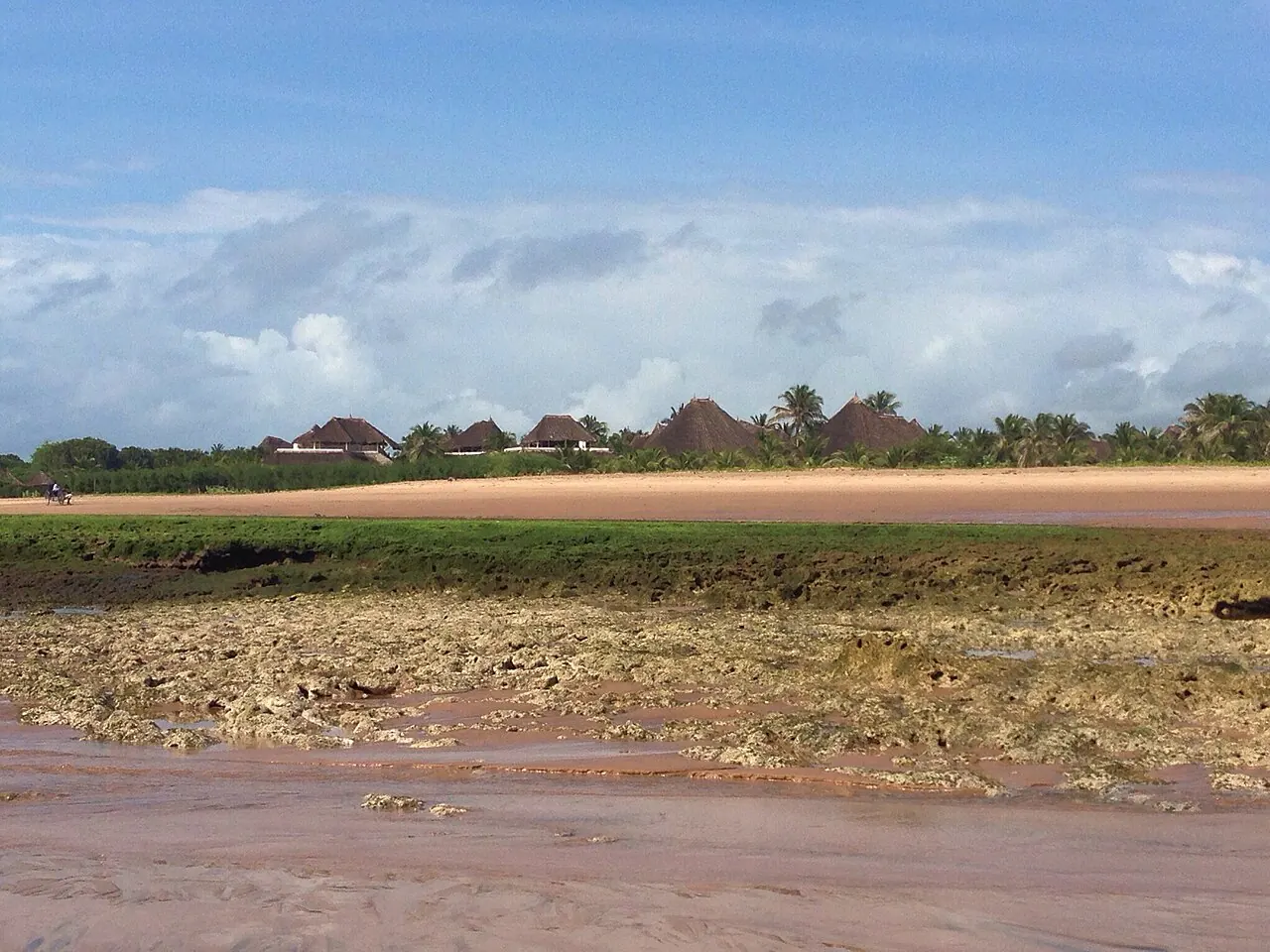
Mambrui is a Swahili fishing town in Magarini sub-county, Kilifi County, on the B8 road 15 km north of Malindi and just north of the Sabaki River mouth. It sits between the Malindi Bay dunes to the south and the beaches running north towards Ngomeni.
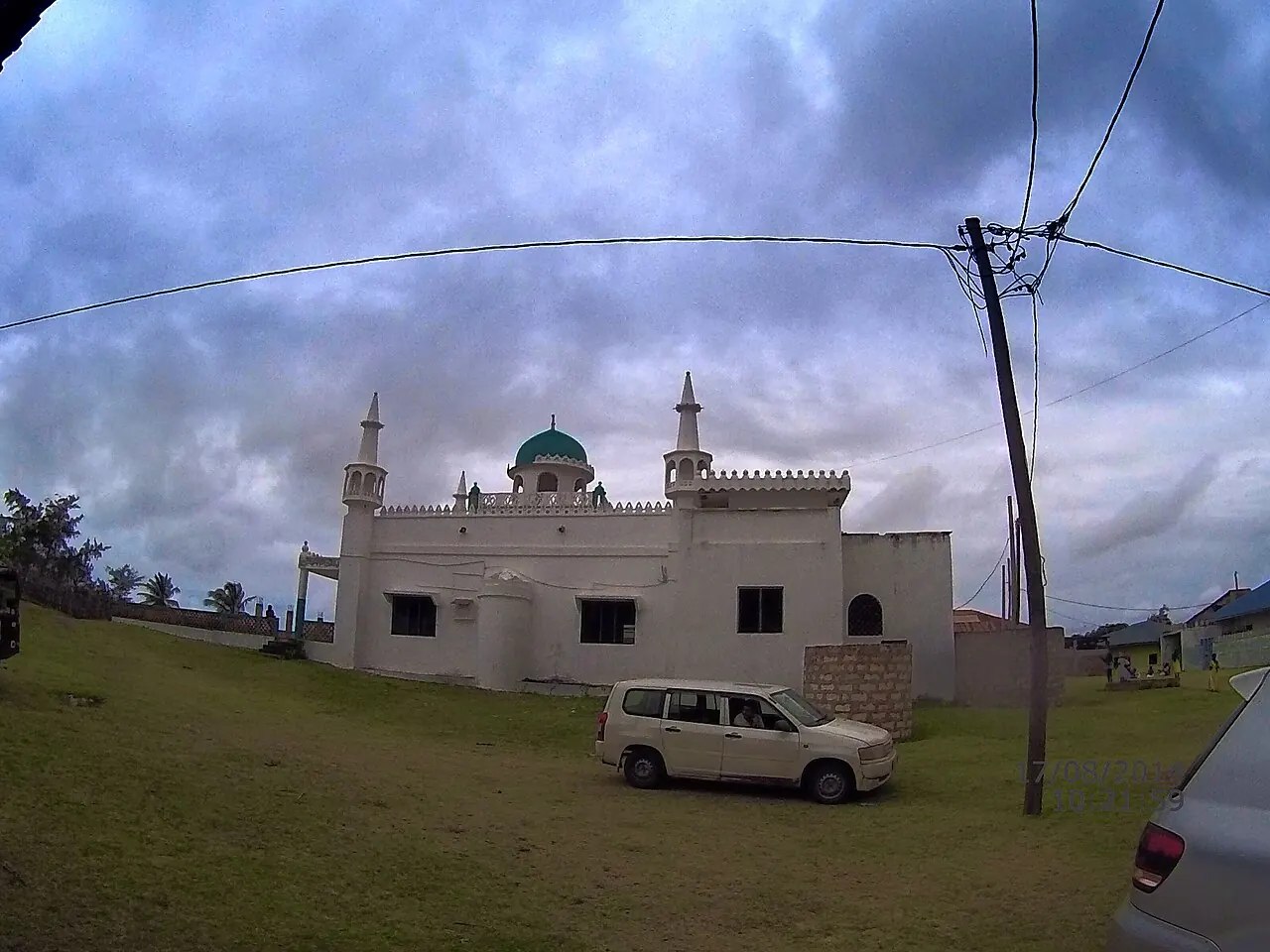
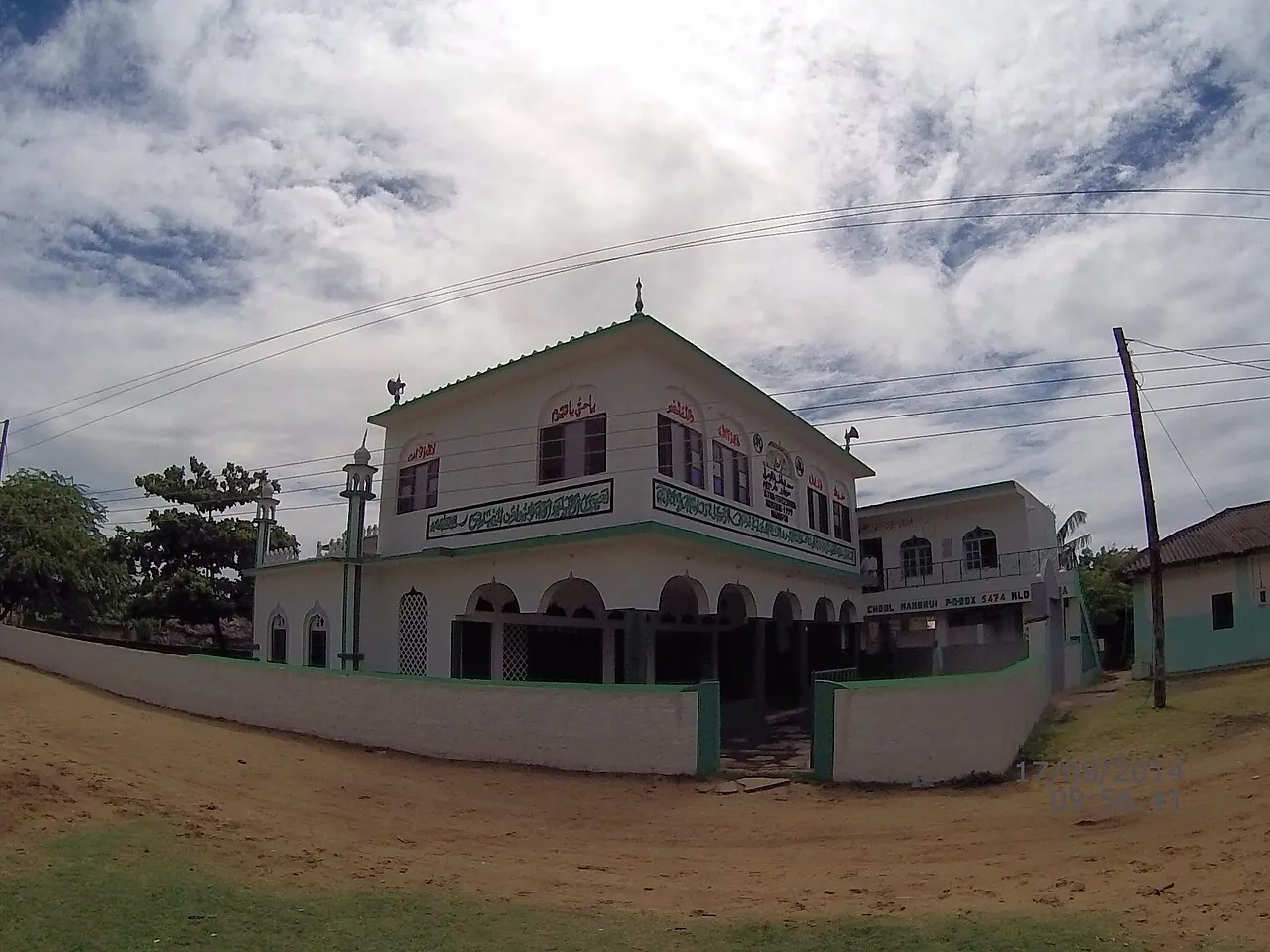
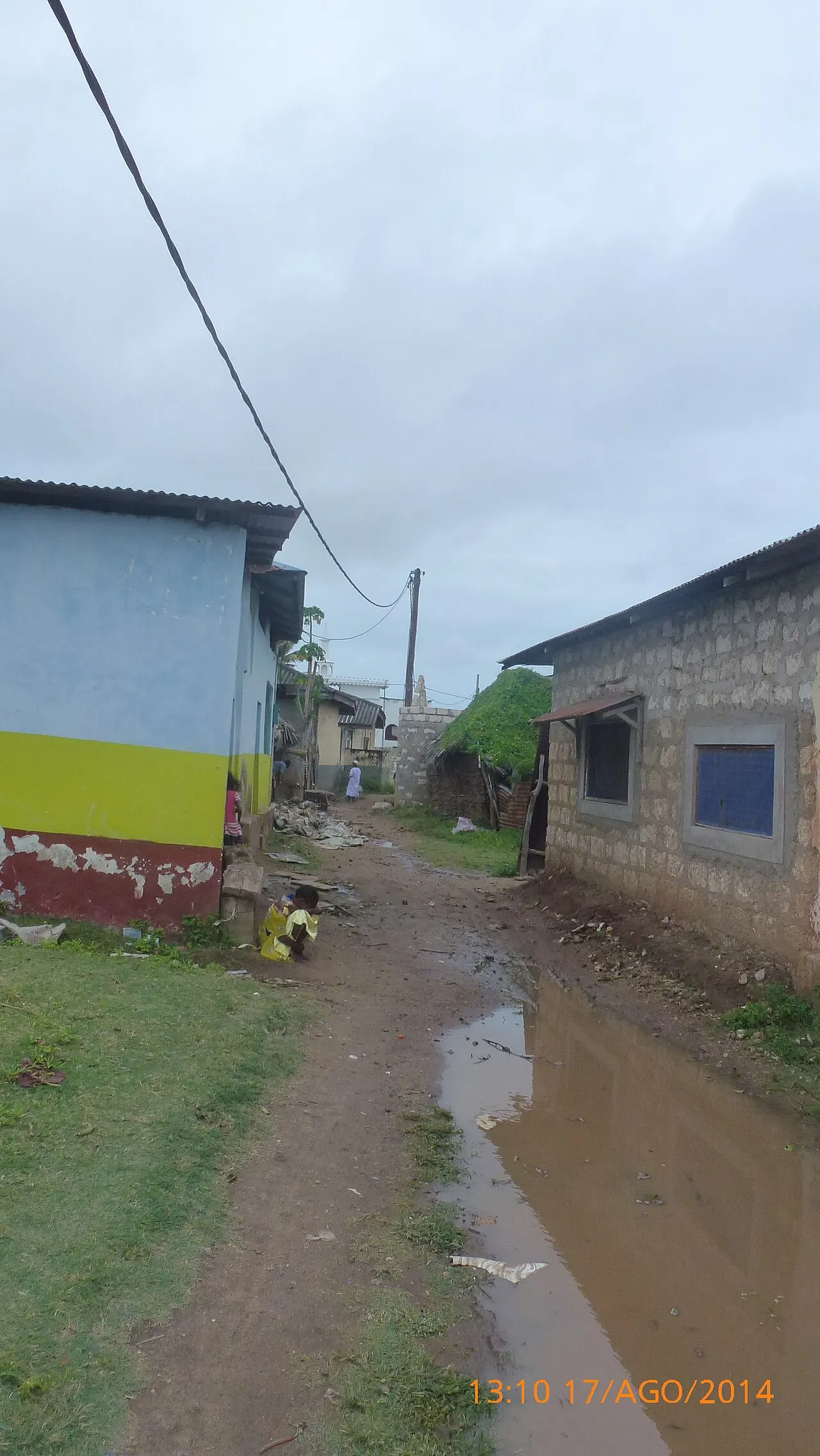
The town is a grid of sandy lanes, coral-stone houses and mosques a short walk from the beach. Fishing boats work the bay, and the B8 carries traffic north to Garsen and Lamu. Visitors come for the sand dunes, the long beach and the birds of the Sabaki estuary; a few beach hotels and villas line the shore.



What is the history of Mambrui?
Archaeologists date Mambrui from at least the 12th century; it peaked between about 1275 and 1435, when it covered some 30 hectares around the Qubba Mosque and traded with the Islamic world and China.
Between 2010 and 2013 a joint team from Peking University and the National Museums of Kenya excavated the old town. They found house foundations of coral stone, wells, iron-smelting furnaces and slag, more than 130,000 pieces of local pottery, about 3,000 pieces of Islamic pottery and more than 500 pieces of Chinese ceramics. Among them were official blue-and-white porcelain and Longquan celadon of the early Ming dynasty, and a bronze Yongle Tongbao coin minted under the Yongle Emperor (1403–1424).
Those finds led the excavators to suggest that Mambrui may have been a landing point for the fleets of the Chinese admiral Zheng He in the early 15th century, and some scholars think it could be the early “Malindi” of old texts, which describe a ruler’s town by a river mouth. Mambrui declined after about 1435, but its tombs grew grander into the 16th century.
What can you see of old Mambrui today?
The Qubba Mosque, one of the earliest mosques on this part of the coast, and the old cemetery, where a pillar tomb is set with Chinese porcelain. There is no museum on site; go with a local guide and dress modestly.
On the coast’s pillar tombs, Chinese and Islamic ceramics were set into the stone as a mark of status. At Mambrui a broken tomb pillar is decorated with blue-and-white porcelain around its head and Longquan celadon on top. Ask permission before you photograph people or enter a mosque compound, and visit outside prayer times.
What is it like to live in Mambrui?
Quiet, coastal and Swahili: fish from the bay, a beach you share with fishermen and kite surfers, and Malindi’s shops, hospitals and airport about 20 minutes away.
- The beachWide, open sand on Malindi Bay
- Malindi for errandsSupermarkets, banks, hospitals and restaurants, 15 km
- Malindi AirportDaily flights to Nairobi, 18 km
- A local communityA largely Muslim Swahili town; respect dress and Ramadan customs
Mambrui Beach Bay brings a quiet estate of 3-acre beach lots to this shore. See the lots or how to get here.
Questions about Mambrui
How far is Mambrui from Malindi?
15 km by road on the B8, about 20 minutes, across the Sabaki River bridge.
What is Mambrui known for?
Its white sand dunes, called Kenya’s little Dubai, its long beach, and its medieval past, including Chinese Ming porcelain found by archaeologists.
Is Mambrui a good place for a holiday home?
For buyers who want a quiet shore near a town with services, yes. Visit, talk to residents and check any land carefully; see why Mambrui.
Come and see the estate
Walk the 3-acre lots and the beach, see the roads and services going in, and go through the title documents and the estate plan with us. Want less than 3 acres, or more? Ask.